Mankind, which has lived on earth for centuries, has always worked and taken an interest in various fields in order to keep going. Humans, at an important point in every age, have searched for ways to protect themselves, treat diseases and have a long life. This search has continued from the day the world was first set foot upon, through the ancient ages to today, and has woven the science of medicine step by step with differences.
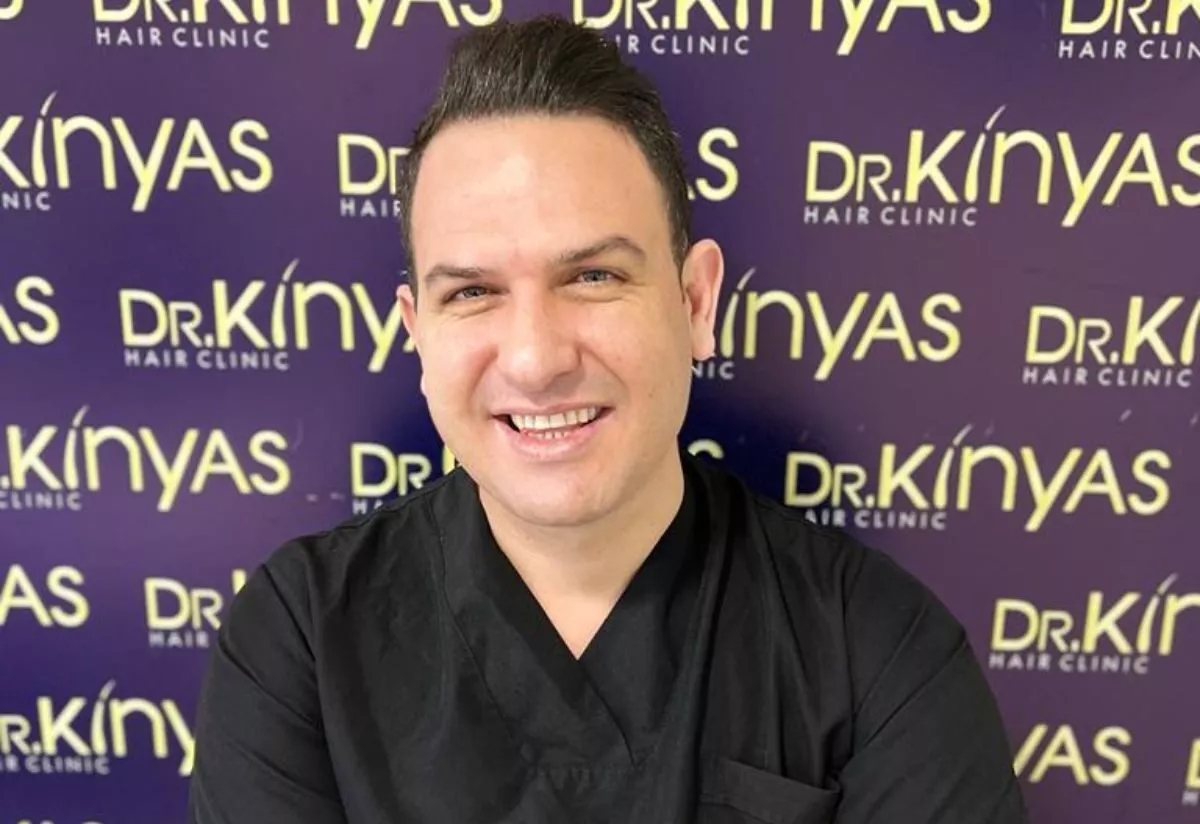
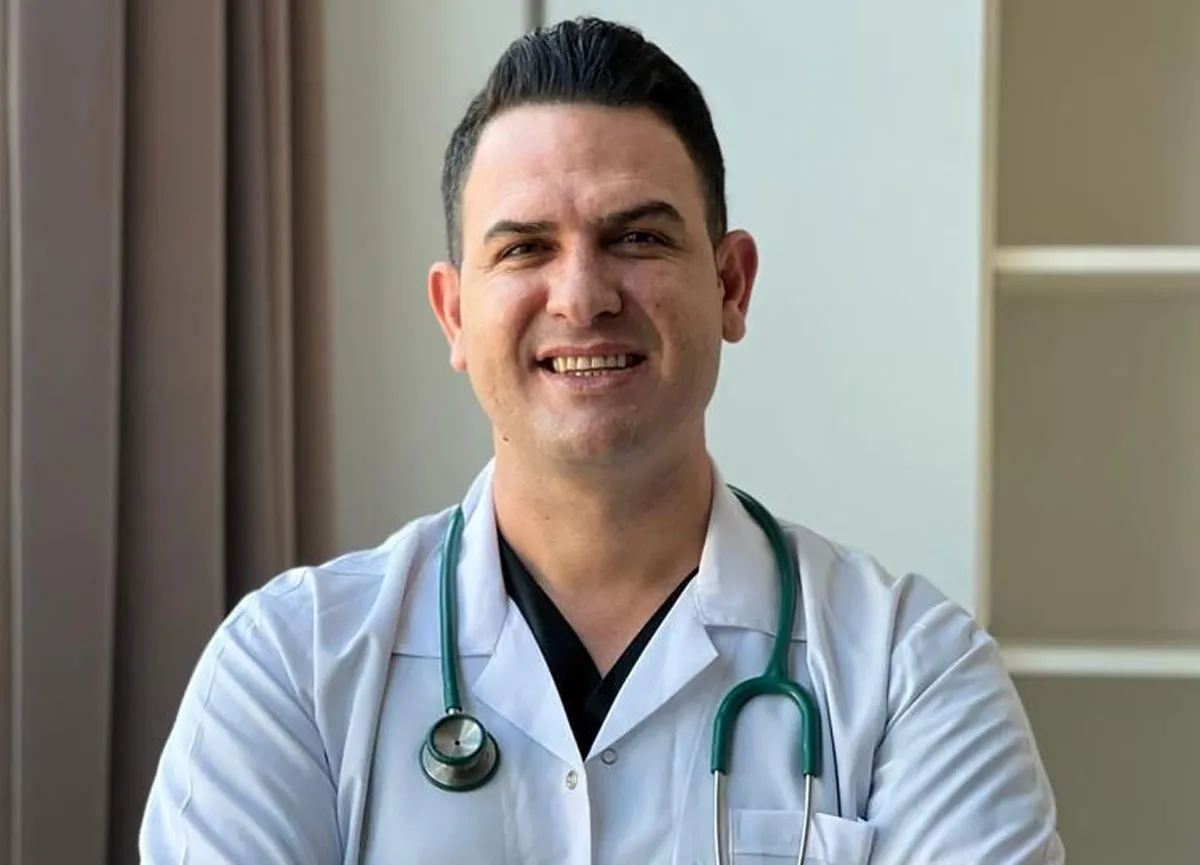
Dr. Kinyas Düşünmez expresses his thoughts on the various treatments that have reached us while preserving their traditions as follows:
"Within the means each era gave itself, various methods and techniques were tried, and the healers of the past, known by different names, spent effort and labor to heal people. As is known, work has been done since very long ago for a better quality of life, and these efforts continue today. Although differences in technology or means create gulfs between the treatment of diseases, humanity has always been sacred and valued. The foundations of the modern medicine that exists in our lives today were laid in the fifth century, and this field, in which tradition left itself to modernity, took its present form. Of course, some methods have reached the present day and continue to be used. Cupping and hijama treatment is also an important treatment that has come down to us."
Saying that traditional medicine, called alternative medicine, has begun to be valued more in recent years than in the past, Dr. Kinyas Düşünmez talks about what needs to be known about cupping and hijama treatment:
"We know that this form of treatment was discovered thousands of years ago in Central Asia and Egypt. What we should really ask here is what makes this treatment still valid today, even though other methods were also used at that time. In fact, it is still in such an important position today that even many successful athletes use it to stay fit and healthy. Generally applied to the back area, this method can in fact also be applied to the head and other acupuncture areas depending on the person's complaints. The basis of this technique is first creating a local skin vacuum to collect blood and then drawing a small amount of blood from the body with a second vacuum. Another point to be known here is that there is no relationship between the amount of blood taken and clinical benefit."
Dr. Kinyas Düşünmez, an expert in his field with a great deal of experience, lists in which cases this special method can be applied as follows:
*Weakness of the immune system
*Hormonal disorders
*Infertility
*Obesity
*Hypertension
*Headache and migraine
*Sprains and injuries
*Chronic fatigue
*Diabetes (sugar) disease
*Ovarian disorders
*Muscle and skeletal diseases
*Prostate problems and sexual weakness
Saying that hijama treatment, which relieves many pains, relaxes muscles, eliminates arteriosclerosis and prevents insomnia, is actually a surgical intervention, Dr. Kinyas Düşünmez stresses that this treatment must therefore be performed by a doctor or by healthcare workers under their supervision.