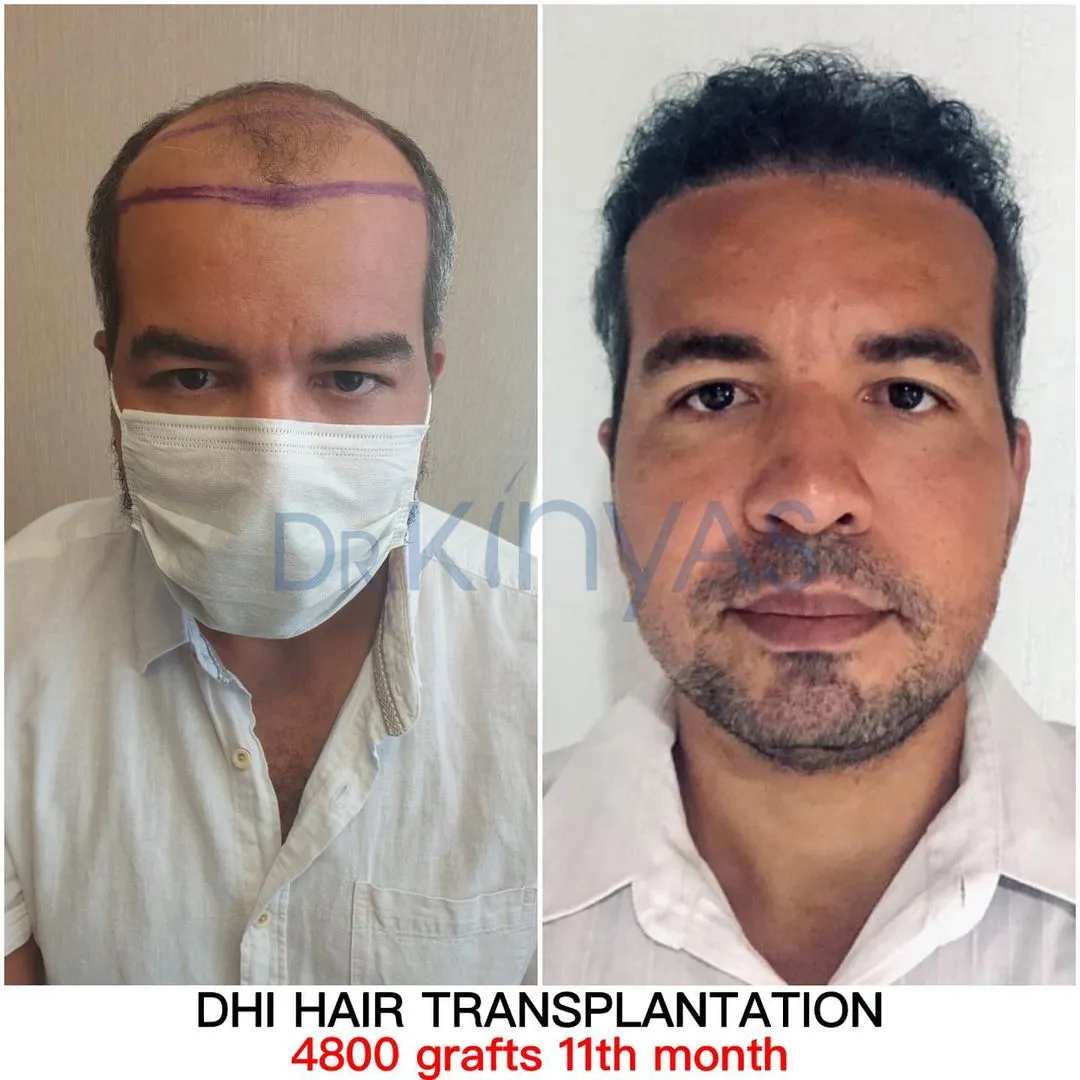
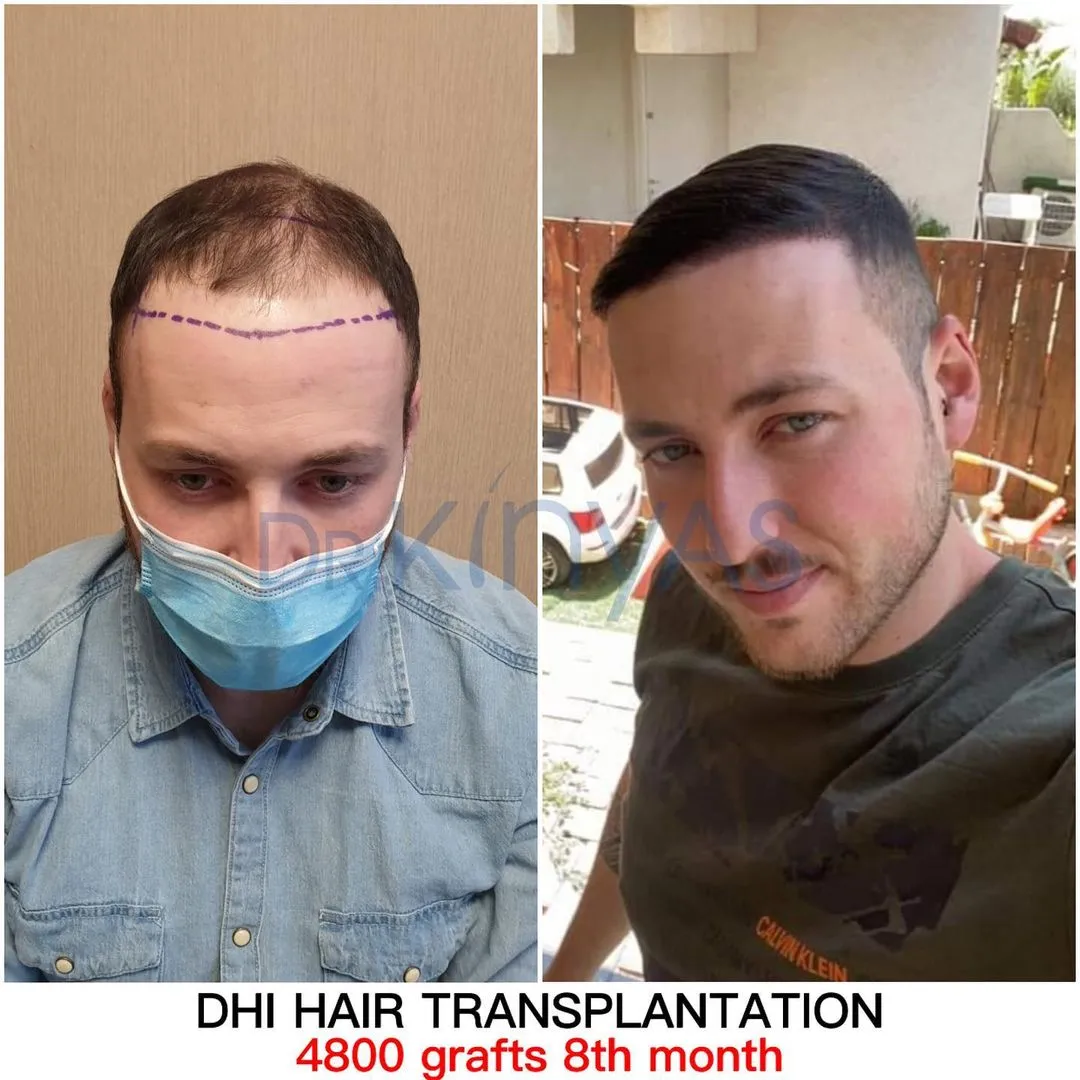
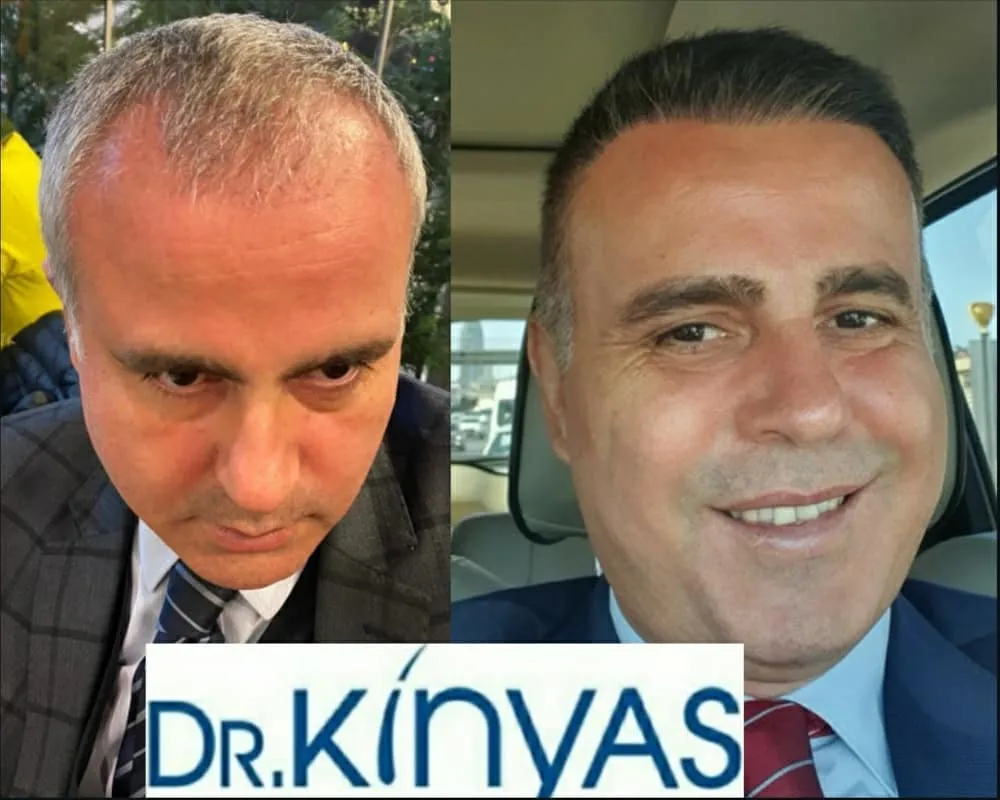
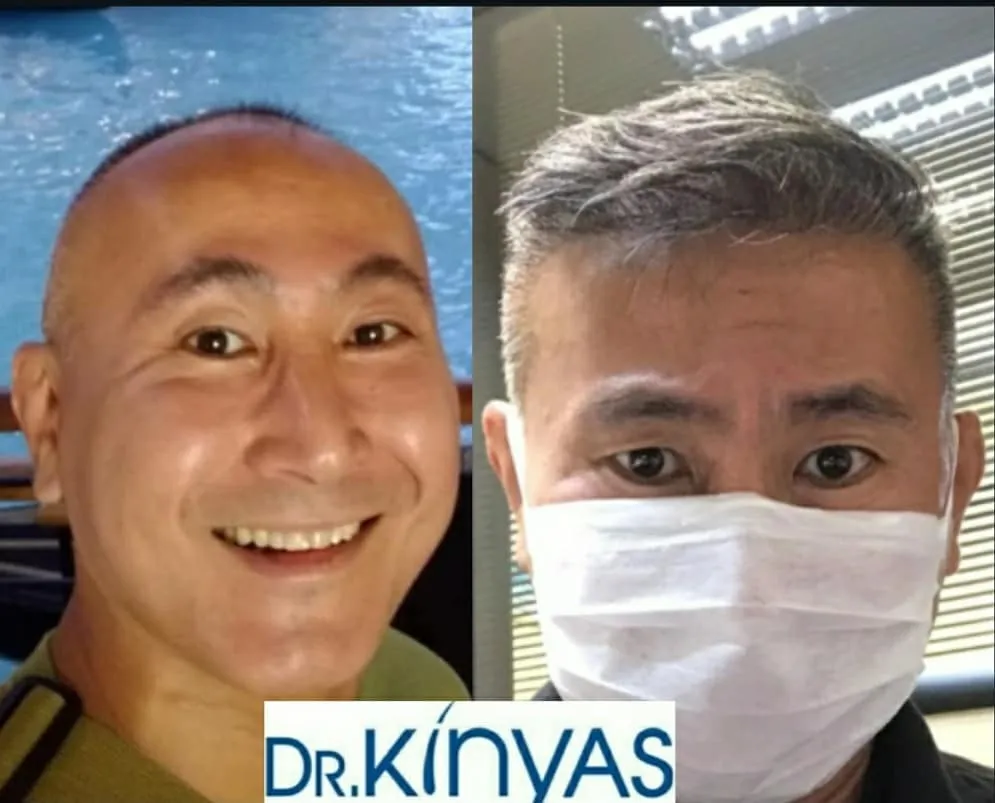
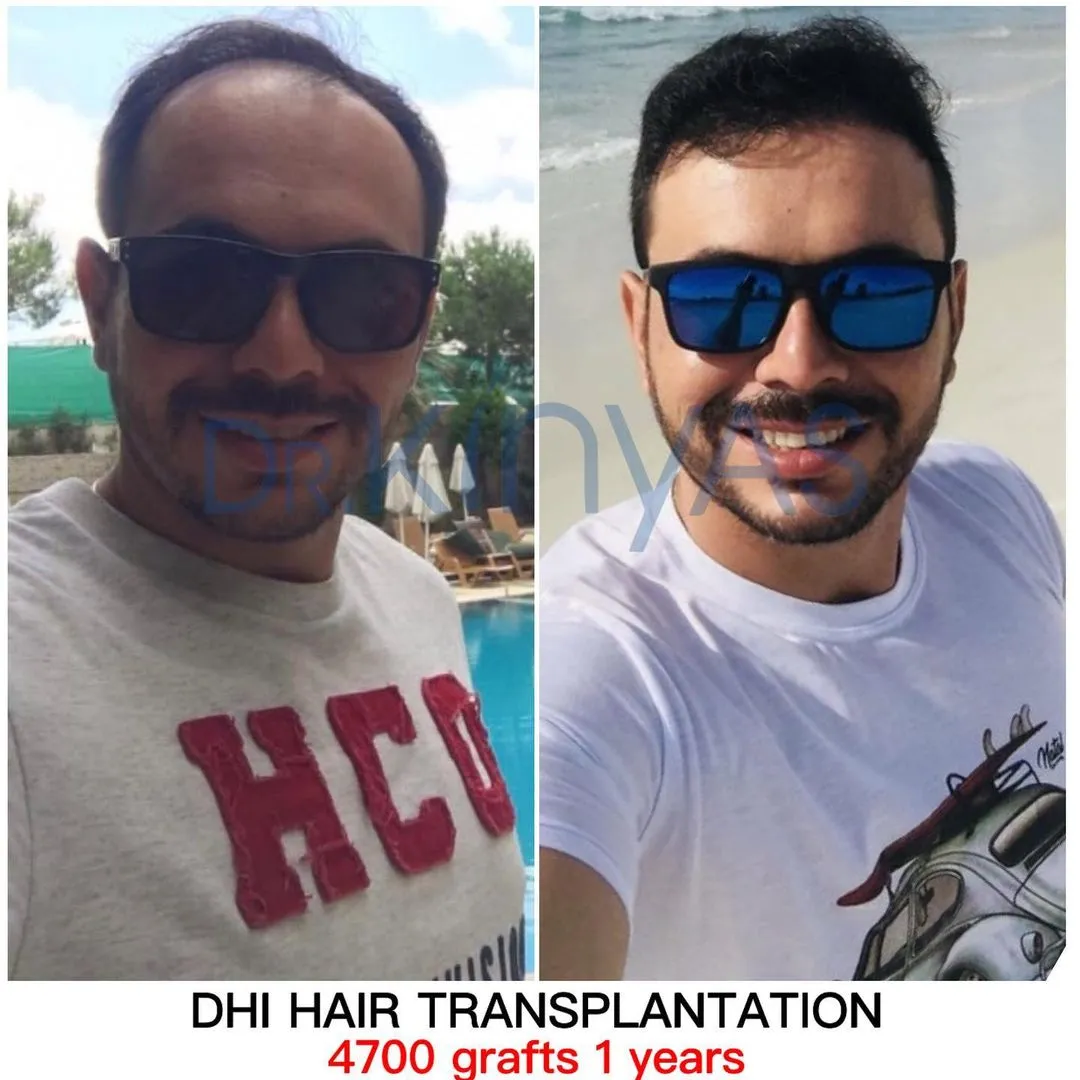
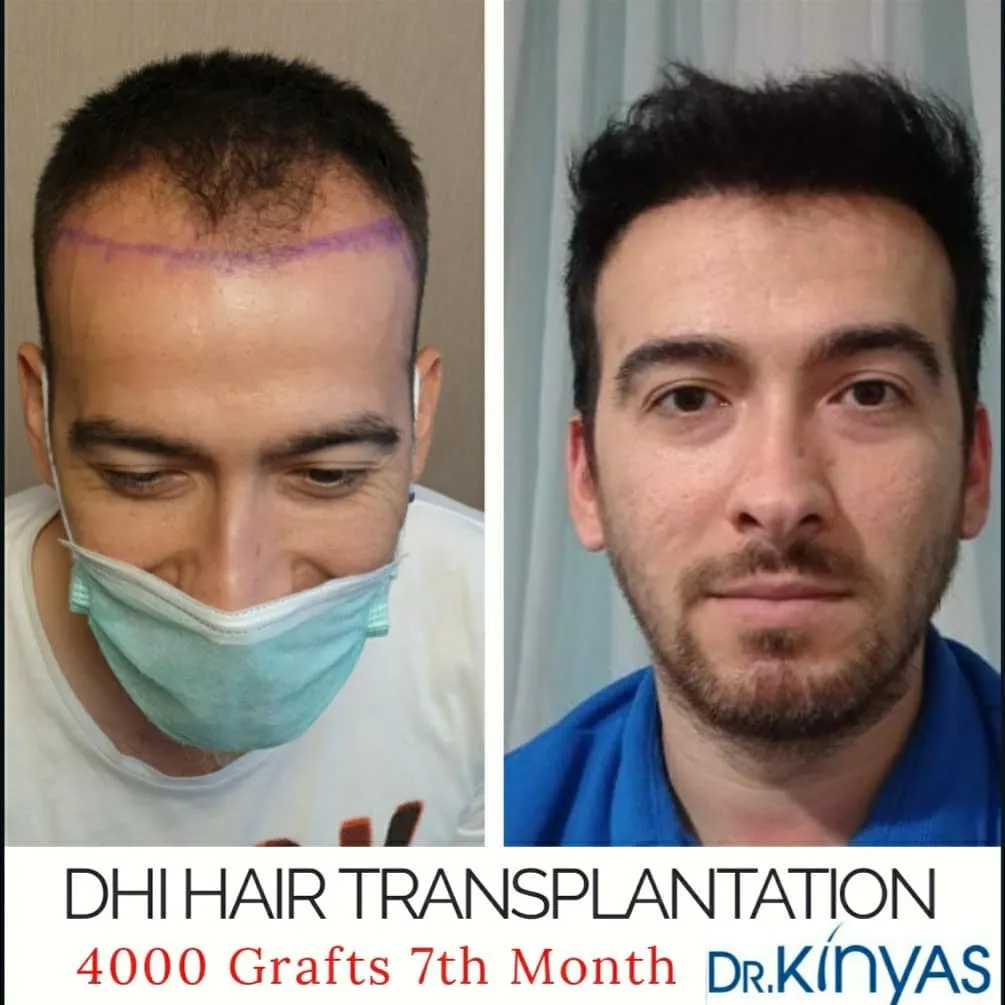
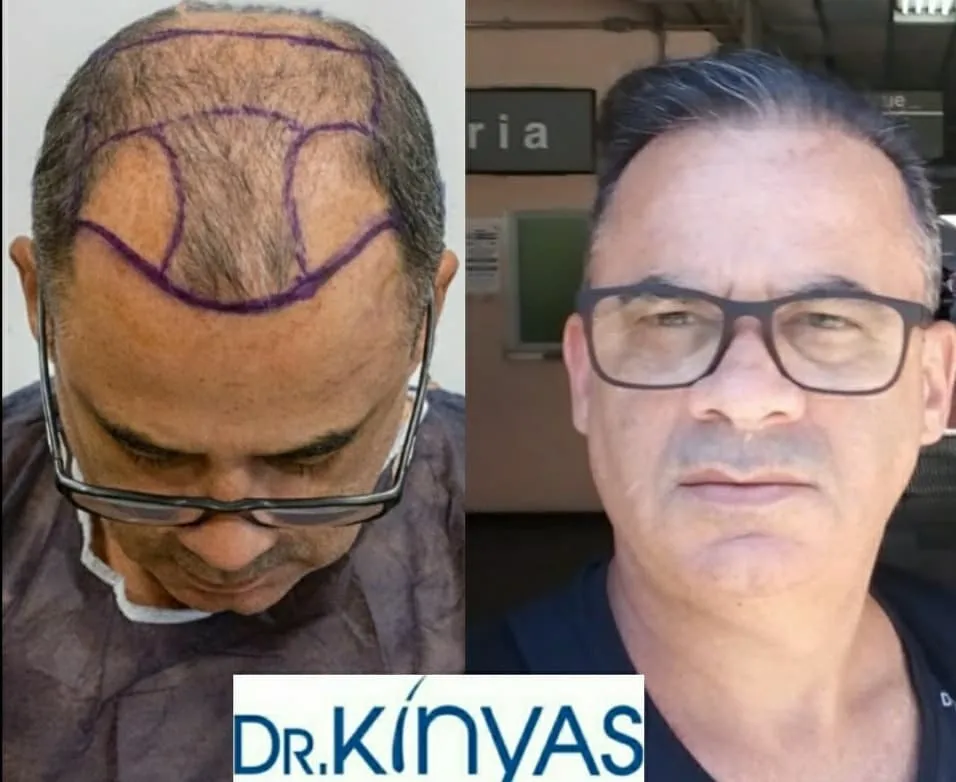
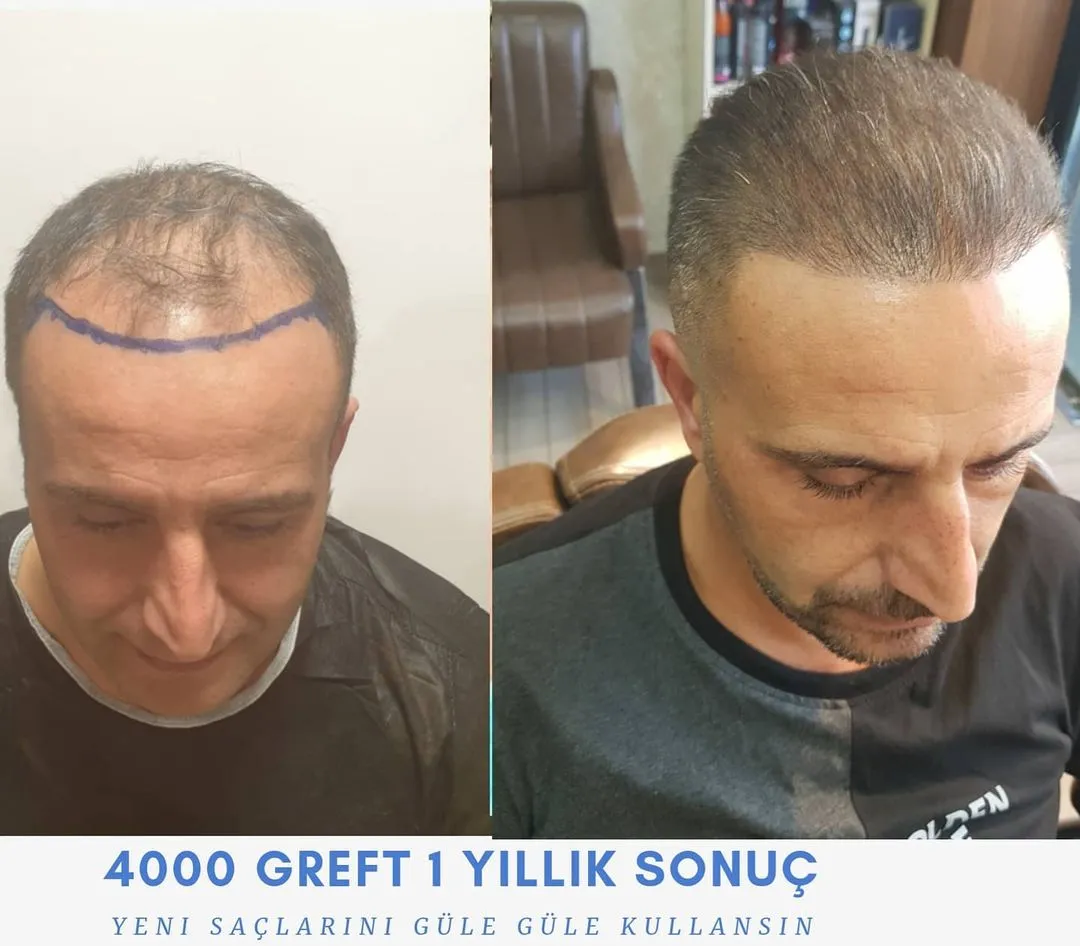
Using today's technology, the DHI Pen Technique, Dr. Kinyas has performed hair transplants on more than 6,000 patients from many countries around the world since 2013. Dr. Kinyas has personally taken part in helping hundreds of healthcare assistants learn the DHI Technique and gain experience.
With perfect results and more than 7 years of experience, Dr. Kinyas has achieved flawless hair in Turkey using cutting-edge hair transplant technology. Having successfully performed hair transplants on thousands of patients from different parts of the world, Dr. Kinyas personally enjoys global recognition and the highest quality of service. With the micro DHI technology we use, achieving the natural and wonderful-looking results you want is in our hands.
Hair Transplant Treatment Techniques and the Importance of the Technique Used in Hair Transplantation
Because synthetic hair transplants are not natural hair and often cause health problems, plastic surgeons began to research new methods. The FUT Technique, the first modern hair transplant technique to be found, can simply be described as transplanting skin tissue cut as a strip from the nape to the problem area. The FUT Technique was used from the 1980s to the 2000s. With the development of technology in the 2000s, micromotor devices emerged and it became possible to transplant a higher number of grafts (follicles) in one session. Thanks to this new technique, called FUE (Follicular Unit Extraction), both more natural and high-density hair transplants became possible.
Although the FUE Method brought major advances, scientists continued their work to achieve near-perfect hair transplant results. As a result, advanced techniques such as robotic surgery and the DHI CHOI Pen Technique emerged.
There are many factors that affect success after a hair transplant: the size of the bald area on the scalp, the quality of the follicles in the donor area, age, gender, the experience of the hair transplant doctor and team, the sterility of the environment in which the grafts are kept and the temperature of the fluids used, and post-transplant care and attention.